Please Signup
I accept all terms and conditions

I accept all terms and conditions
Timor-Leste
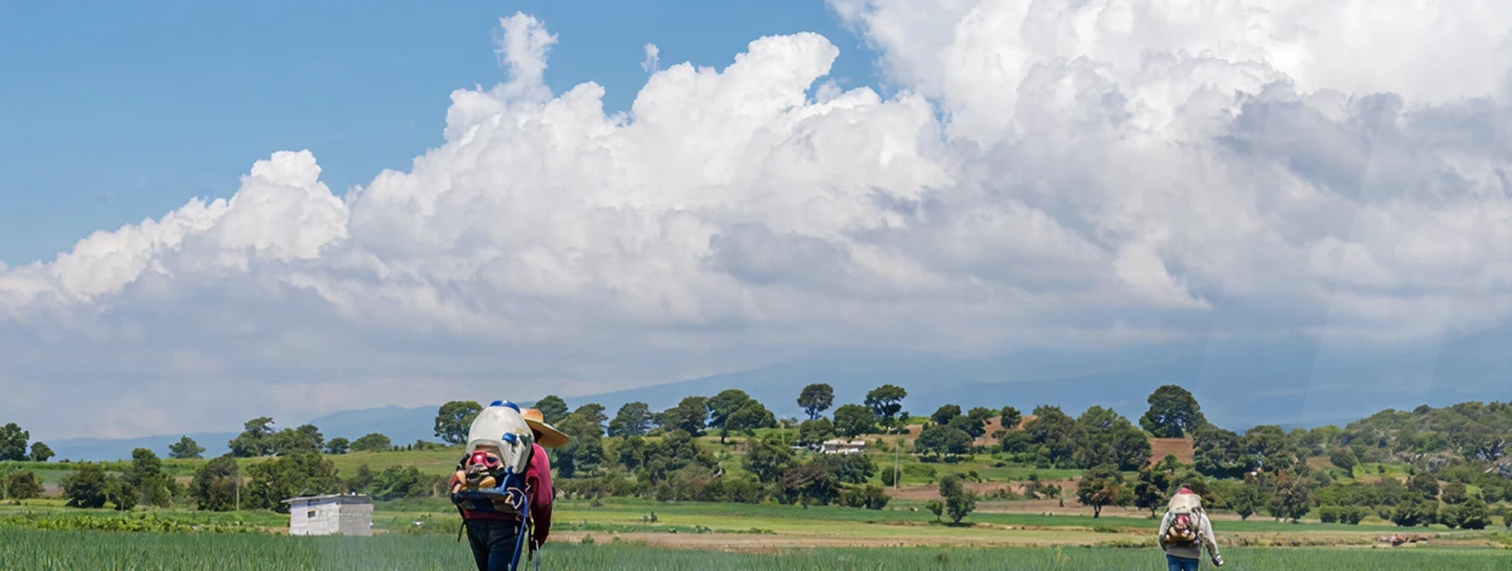
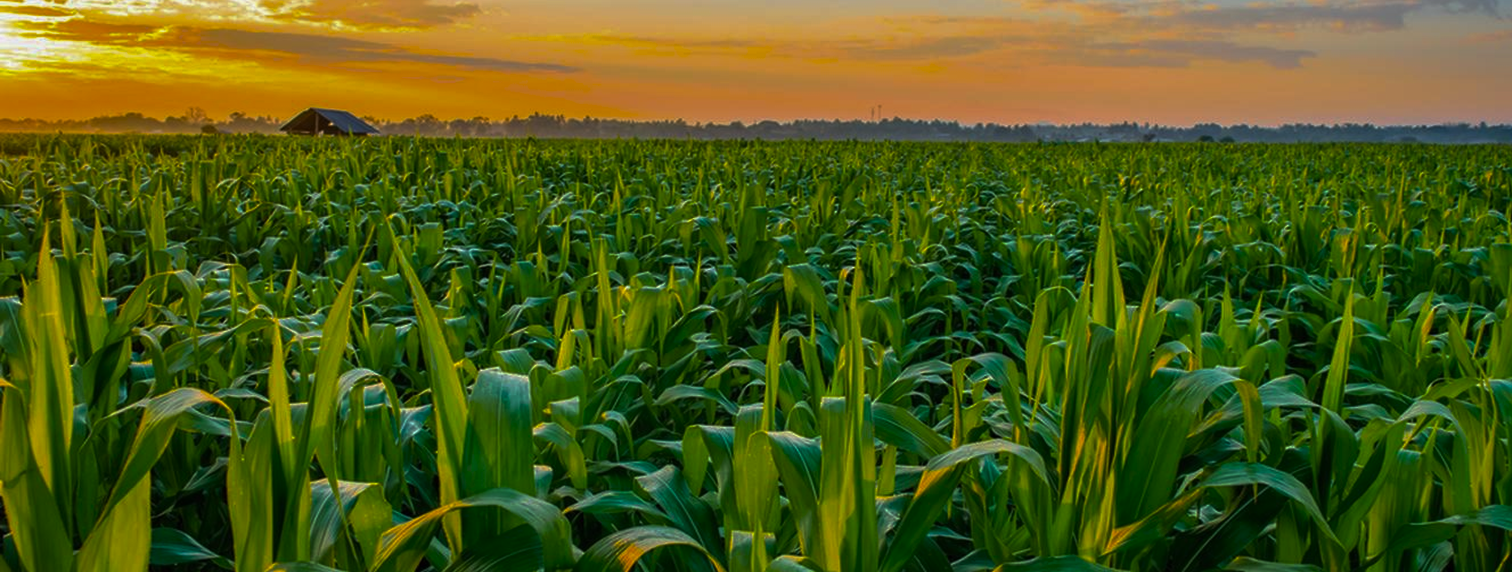
Timor-Leste's agricultural sector played a crucial role in food security and rural livelihoods, despite challenges from environmental factors and infrastructure issues. Coffee remained the main cash crop for export, while staple food production, particularly rice and maize, struggled due to unfavorable weather, increasing reliance on imports.
BACKGROUND
GEOGRAPHIC PROFILE
DEMOGRAPHIC PROFILE
ECONOMIC PROFILE

Sqm land area

Contribution of agriculture

Percentage of Labor Force in Agriculture
Sqm land area
Contribution of agriculture
Percentage of Labor Force in Agriculture
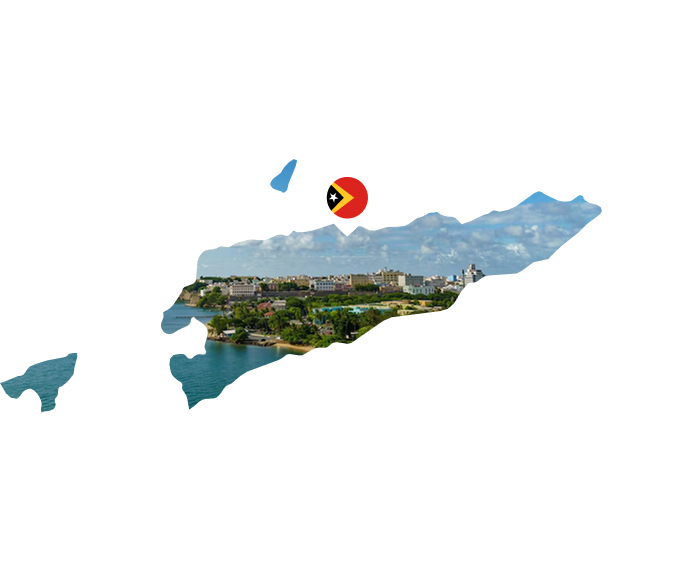
Timor-Leste, located in Southeast Asia on the eastern half of the island of Timor, has a tropical climate with high humidity and stable temperatures year-round. It features a wet season from November to April, characterized by heavy rainfall averaging 1,000–2,000 mm annually, and a dry season from May to October with significantly lower rainfall and clearer skies. Temperatures typically range from 24°C (75°F) to 32°C (90°F), with the warmest months being November to March. Coastal areas like Dili experience consistent heat due to ocean breezes, while inland regions may be cooler. Current conditions in Dili indicate highs around 32°C (90°F) and high humidity, leading to muggy nights. Climate patterns, including El Niño and La Niña, influence seasonal variations, and climate change is exacerbating droughts and storms, impacting agriculture in this region.
The agricultural workforce in Timor-Leste is crucial for the economy, primarily through subsistence farming, livestock rearing, and small-scale fishing. With 70-75% of the population in rural areas, agriculture employs about 41.3% of the total workforce, which is roughly 250,000-300,000 people out of 616,000. This is an increase from 39.28% in 2019, but a significant decline from 61.21% in 1999, indicating a shift towards services and public sector jobs. The 2022 Census shows that women make up about 40% of agricultural workers, often in unpaid roles. Key challenges include low productivity, climate vulnerability, and youth migration to cities. Recent initiatives, like the EU-funded “Agroforestry Skills for Employment and Resilience,” aim to enhance skills in sustainable practices. The sector remains largely informal, with limited mechanization, and coffee farming involves over 100,000 smallholders facing issues like soil degradation.
2.3%
Timor-Leste’s agricultural sector played a crucial role in food security and rural livelihoods, despite challenges from environmental factors and infrastructure issues. Coffee remained the main cash crop for export, while staple food production, particularly rice and maize, struggled due to unfavorable weather, increasing reliance on imports. The government, in partnership with international entities, initiated efforts to improve productivity and climate resilience. Domestic rice production consistently fell short of consumption needs, leading to heightened import levels. Coffee exports continued to be vital, although overall agricultural exports were modest. Climate change and inadequate infrastructure posed significant challenges, while government initiatives focused on transitioning to sustainable farming practices and enhancing support for local farmers.
Timor-Leste’s economy in 2024 is centered on its oil and gas sector, with the government allocating $104.2 million to this area, emphasizing the need for new projects due to declining production from existing fields. The Greater Sunrise gas field remains a key focus, as negotiations with Australia and the consortium (TIMOR GAP, Woodside, and Osaka Gas) progress. Additionally, Finder Energy has identified promising hydrocarbon potential in new offshore projects, potentially boosting production significantly. Beyond hydrocarbons, Timor-Leste aims to diversify its economy through sustainable forestry and fisheries, supported by collaborations with international partners such as ACIAR. The government has also awarded exploration licenses for mineral resources, signaling growth in this sector. Despite facing environmental challenges, such as vulnerability to climate change and a need for sustainable practices, Timor-Leste is building economic resilience through partnerships and investment, particularly from Australia.
In 2024, Timor-Leste’s trade deficit increased to US$787 million, driven by higher imports and a slight dip in overall exports, despite a 21.7% rise in non-oil exports, mainly coffee. The country remains heavily reliant on imports from Indonesia (70% of total imports), Australia (key petroleum supplies), and other partners like China and Singapore. Major export partners include China, Indonesia, and Japan. The government is focusing on trade diversification and regional integration, supported by a new European Union initiative aimed at enhancing trade relations. The economy grew by 4% in 2024, bolstered by public spending and investment, despite the trade challenges.
Top Imported Products (2023)
Top Import Partners (2023)
Top Agricultural Imports (2023)
Top Exported Products (2023)
Top Export Partners (2023)
Top Agricultural Exports (2023)
Get the latest policy insights, research highlights, and knowledge resources from across Southeast Asia delivered straight to your inbox.