Please Signup
I accept all terms and conditions

I accept all terms and conditions
Thailand
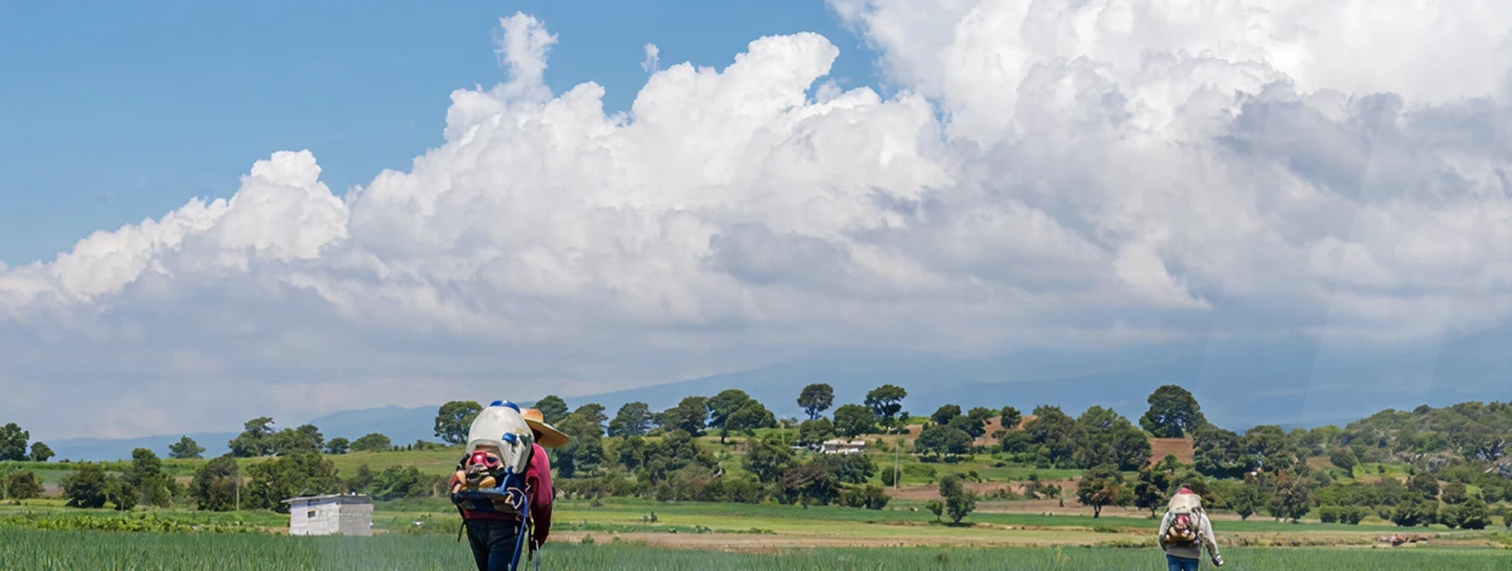
Thailand's agricultural workforce is vital to the economy, employing approximately 30.11% of the total labor force, or around 12 million workers, despite a slight decline from 2023. By Q4 2024, agricultural employment decreased to 11.89 million due to factors like seasonal job losses and economic slowdowns.

BACKGROUND
GEOGRAPHIC PROFILE
DEMOGRAPHIC PROFILE
ECONOMIC PROFILE
TRADE PROFILE

Sqm land area

Contribution of agriculture

Percentage of Labor Force in Agriculture
Sqm land area
Contribution of agriculture
Percentage of Labor Force in Agriculture
Thailand experiences a tropical climate, characterized by high temperatures and humidity year-round, with distinct wet and dry seasons. The climate is influenced by monsoons, leading to three main seasons: the hot season (March to May), the rainy season (May to October), and the cool season (November to February). In 2024, temperatures are expected to remain high, typically ranging from 80°F to 97°F (27°C to 36°C), with regional variations. The northern regions, like Chiang Mai, may have slightly cooler temperatures during the cool season, while central areas, such as Bangkok, will see consistent heat. Coastal regions, including Phuket and Ko Samui, maintain warm temperatures throughout the year. During the rainy season, heavy rainfall and thunderstorms are common, particularly in areas like Rayong, while coastal regions may experience mixed weather with wind. The cool season, despite not involving snow, brings drier conditions and is expected to be more comfortable in places like Bangkok. Overall, Thailand in 2024 will reflect its typical tropical climate, with consistently warm temperatures and seasonal rainfall variations.
Agricultural land (2022)
Thailand’s agricultural workforce is vital to the economy, employing approximately 30.11% of the total labor force, or around 12 million workers, despite a slight decline from 2023. By Q4 2024, agricultural employment decreased to 11.89 million due to factors like seasonal job losses and economic slowdowns. The share of agriculture has dropped from 49.3% in 2011 to about 30%, as workers migrate to urban jobs. In 2024, the overall agricultural employment contracted by 1.1% due to reduced crop yields and flooding, with over half of workers in informal employment, including a significant number of women. The workforce is aging, with younger generations moving to cities, while agriculture contributes about 6% to GDP and drives 17-20% of exports. Challenges include climate impacts, economic pressures, and the necessity for more government support for farmers and innovations in agricultural practices.
According to the SECO-State Secretariat for Economic Affairs the inflation as of 2024 is 0.4%, compare to 2023, 1.23%.
Thailand continues to be a global leader in agricultural production and exports, maintaining its position as the top producer in ASEAN and ranking eighth worldwide. The agricultural sector is a crucial part of the economy, benefiting from the advantages of a tropical climate and key commodities such as fruits, rice, rubber, and processed foods.
In 2024, agricultural exports showed significant growth, reflecting steady demand in international markets despite global economic challenges. The total value of agricultural exports reached approximately US$52.185 billion, marking a 6% increase from the previous year, along with a trade surplus of US$30 billion.
The overall agricultural trade, which includes both exports and imports, totaled US$78.167 billion, indicating continued steady expansion. From January to October, the trade value surged to US$66.428 billion, representing a 6.49% year-over-year increase, underscoring the sector’s resilience.
Thailand is rich in diverse natural resources, including fertile land, forests, minerals, fisheries, and biodiversity hotspots. These resources are essential for its economy and support key industries such as agriculture, manufacturing, and tourism.
In 2024, the country faced significant challenges due to climate change, particularly the impacts of global warming, which resulted in substantial losses in both marine and terrestrial ecosystems. Despite these challenges, efforts to manage resources focused on sustainability, in alignment with the National Economic and Social Development Plan and the United Nations Sustainable Development Goals (SDGs).
The Thai economy is a blend of industry, tourism, services, and natural resources, with an emphasis on balanced utilization guided by the Sufficiency Economy Philosophy, aiming for long-term environmental harmony.
In the fiscal year 2024, the Ministry of Natural Resources and Environment allocated a considerable budget to address conservation and adaptation efforts, although exact figures reflect ongoing fiscal commitments to combat environmental degradation. Thailand’s strategic location in Southeast Asia underscores its role in regional biodiversity conservation, with initiatives aimed at creating ecological corridors and establishing protected areas.
In 2024, Thailand’s total trade demonstrated the strength and resilience of its economy, buoyed by strong exports, particularly in agricultural products, electronics, and automotive parts. This growth occurred despite global economic uncertainties and geopolitical challenges. The government’s proactive trade policies, such as free trade agreements and export promotion initiatives, were crucial in supporting this expansion. As a result, the Thai economy continued on its recovery path, with trade playing a significant role in contributing to the country’s GDP.
Top Imported Products (2023)
Top Import Partners (2023)
Top Agricultural Imports (2023)
Top Exported Products (2023)
Top Export Partners (2023)
Top Agricultural Exports (2023)
Get the latest policy insights, research highlights, and knowledge resources from across Southeast Asia delivered straight to your inbox.